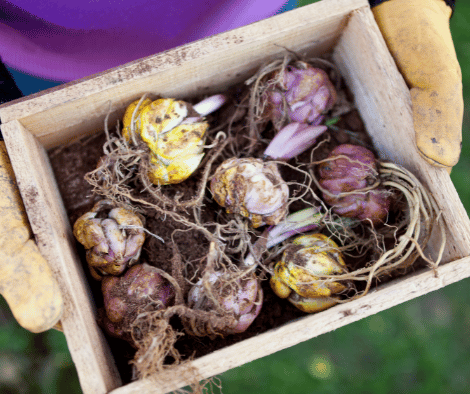
Bulbs, with their fascinating ability to store nutrients and energy, are nature’s treasures that adorn gardens and tables alike. In this comprehensive guide, we delve into the realm of bulbs, exploring their types, examples, planting guidelines, and helpful hints to ensure a blooming success.
What is a Bulb?
Bulbs are underground storage organs comprised of layers of modified leaves or scales surrounding a central bud. They serve as reservoirs of nutrients and energy, enabling plants to survive dormant periods and thrive in adverse conditions.
Bulb, in botany, a modified stem that is the resting stage of certain seed plants, particularly perennial monocotyledons. A bulb consists of a relatively large, usually globe-shaped, underground bud with membraneous or fleshy overlapping leaves arising from a short stem.
Types of Bulbs:
- True Bulbs: These bulbs, such as tulips and daffodils, consist of layers of fleshy scales surrounding a central bud.
- Corms: Corms, like gladiolus and crocus, are solid, swollen underground stems that store nutrients.
- Rhizomes: Rhizomatous bulbs, such as iris and lily of the valley, have horizontal, underground stems that produce new shoots and roots.
- Tubers: Tubers, including potatoes and dahlias, are thickened underground stems that store nutrients and produce new growth.
Spring and Summer bulbs are nature’s gifts that bring vibrant colors and fragrant blooms to gardens during the warmer months. Here’s a guide to these delightful bulbs:
Spring Bulb Flowers:
- Tulips: Iconic spring flowers available in a wide range of colors and varieties, from traditional single blooms to exotic parrot tulips.
- Daffodils (Narcissus): Cheerful, trumpet-shaped flowers in shades of yellow, orange, and white, known for their resilience and early spring appearance.
- Hyacinths: Highly fragrant flowers with dense spikes of blooms in hues of blue, pink, purple, and white, adding a delightful scent to the garden.
- Crocuses: Charming, early-blooming flowers in shades of purple, white, yellow, and striped varieties, signaling the arrival of spring.
- Snowdrops: Delicate, nodding flowers with white petals and green markings, often the first to emerge from the winter snow.
Summer Bulb Flowers:
- Lilies: Elegant, trumpet-shaped blooms in a myriad of colors, sizes, and patterns, adding drama and beauty to the summer garden.
- Gladiolus: Tall spikes of colorful, trumpet-shaped flowers in shades of red, pink, purple, yellow, and white, perfect for adding vertical interest to borders and beds.
- Dahlias: Bold and showy flowers with intricate blooms in a vast array of colors, sizes, and forms, prized for their long-lasting cut flowers.
- Calla Lilies: Graceful, trumpet-shaped flowers in hues of white, pink, yellow, and orange, known for their elegant form and long-lasting blooms.
- Cannas: Tropical plants with vibrant, exotic flowers in shades of red, orange, yellow, and pink, complemented by lush, tropical foliage.
Examples of Bulb Vegetables
Onions, garlic, shallots, and leeks are examples of bulb vegetables prized for their culinary versatility and distinctive flavors.
Examples of Bulb Flowers
Tulips, daffodils, hyacinths, crocuses, and lilies are beloved examples of bulb flowers celebrated for their exquisite beauty and fragrance.
When to Plant Bulbs
- The ideal time to plant bulbs varies depending on the specific type and local climate.
- Generally, bulbs are planted in the fall before the first frost or in early spring when the soil is workable.
Where to Plant Bulbs
- Choose a well-drained location with ample sunlight for planting bulbs.
- Consider the height and color of the flowers to create visually appealing displays and complement existing garden features.
- Before planting bulbs, assess your garden’s layout and design.
- Consider factors such as bloom times, color schemes, and desired effects to create cohesive and harmonious plantings.
How To Plant Bulbs: A Step-by-Step Guide
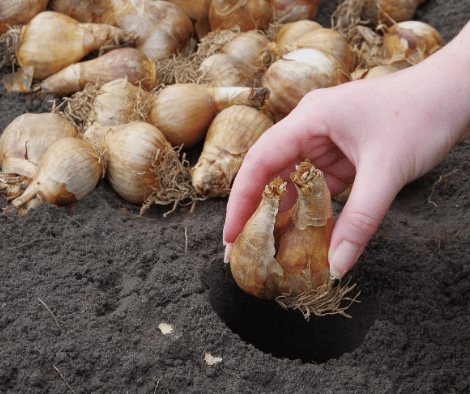
- Soil Preparation: Begin by loosening the soil to a depth of at least 12 inches. This encourages robust root development and allows bulbs to establish themselves effectively.
- Planting: Prepare a well-drained soil bed or container enriched with compost. Dig holes for the bulbs, adjusting the depth based on the specific bulb type. Remember to plant bulbs with the pointed end facing upwards and fill the holes with soil.
- Crocus: Plant 3 to 4 inches deep or three times their depth.
- Daffodils: Plant 5 to 6 inches deep or three times their depth.
- Hyacinths: Plant 3 to 4 inches deep or twice their depth.
- Tulips: Plant 7 to 8 inches deep or three times their depth.
- Lilies: Plant 5 to 6 inches deep or three times their depth.
- Gladioli: Plant 5 to 6 inches deep.
- Spacing: Ensure proper spacing between bulbs to allow for adequate airflow. Larger bulbs like gladioli should be spaced farther apart, while smaller ones like crocus can be grouped more closely. Aim to space bulbs at least twice their width.
- Watering and Protection: Gently water the soil to settle it around the bulbs, especially if it feels dry to the touch. Consider adding a wire mesh around the planted area in garden beds to protect the soil from disturbance during the growing season.
- Mid-Season Maintenance: Around midway through the growing season, supplement the soil with compost around the base of the plants. This provides essential nutrients for healthy growth and vibrant blooms.
Remember, fertile soil is crucial for success, so ensure it’s rich in organic matter. Plant bulbs at the correct depth, typically three times their height, and choose a sunny location for optimal growth, especially for spring bulbs. With these steps, your bulbs will thrive and enchant with their beauty season after season.
How to Extract Bulbs
To extract bulbs, carefully dig around the base of the plant and lift it from the soil. Gently remove excess soil and separate individual bulbs for storage or replanting.
Helpful Tips In Storing Bulbs:
- Avoid storing fruit, especially apples, or vegetables in the refrigerator alongside bulbs, as they release ethylene gas, which can harm the bulbs.
- Aim for a soil pH of 6 to 7 to enhance the color and vitality of blooming bulb flowers.
- Allow bulbs to breathe by storing them in aerated paper or mesh bags; avoid plastic containers, which can restrict airflow.
- Plant bulbs in the same season they are purchased to ensure their viability; they may not survive until the following year.
- When leaving bulbs in the ground during dormancy, use markers to remember their location after cutting back foliage.
Tips & Tricks For Selecting Top-Quality Bulbs
- Opt for bulbs that are firm to the touch, avoiding any softness or sponginess.
- Select bulbs free from signs of disease, mold, or significant damage.
- When purchasing, look for bulbs with minimal or no root growth or sprouting, except for lilies, which may have fleshy roots.
- Remember that investing in quality bulbs pays off; they are key to vibrant and robust blooms, ensuring an impressive display in your garden.
In conclusion, bulbs are nature’s marvels that grace gardens with their beauty and enrich tables with their bounty. By understanding the types, examples, planting guidelines, and helpful hints for bulbs, you can embark on a journey of floral and culinary delight that lasts throughout the seasons.
1 thought on “A Guide To Planting Bulbs to Blooming Flowers : 5 Handpicked Spring and Summer Bulbs”