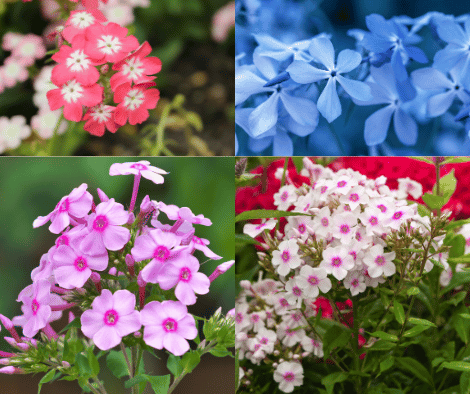
Phlox flower, with its vibrant blooms and sweet fragrance, adds a touch of charm to any garden landscape. In this detailed blog post, we delve into what Phlox is, the ideal time for planting and blooming, various methods of cultivation, and essential care tips to ensure robust growth. Know why cultivating Phlox can transform your garden into a haven of color and life.
What is Phlox Flower?
Phlox flower belongs to the genus of flowering plants in the Polemoniaceae family, boasting over 67 species of both perennial and annual varieties. These delightful flowers are native to North America, Siberia, and parts of Asia, captivating gardeners with their vivid hues and delicate blossoms.
Varieties Of Phlox Flower
Phlox encompasses a diverse array of varieties, each with its unique characteristics, including bloom color, height, fragrance, and growing habits. Here are some popular Phlox varieties:
- Phlox paniculata (Garden Phlox): This variety is known for its large, fragrant flower clusters and comes in a wide range of colors, including white, pink, purple, and red. It’s a favorite for perennial borders and cottage gardens.
- Phlox subulata (Creeping Phlox): Creeping Phlox is a low-growing variety that forms a dense mat of evergreen foliage, adorned with delicate flowers in spring. It’s excellent for ground cover, rock gardens, or cascading over walls.
- Phlox drummondii (Annual Phlox): Annual Phlox offers bright, cheerful blooms in shades of pink, red, purple, and white. It’s a popular choice for bedding plants, containers, or adding a splash of color to borders.
- Phlox divaricata (Woodland Phlox): Woodland Phlox is native to North America and thrives in shady woodland settings. It produces clusters of fragrant flowers in shades of blue, lavender, and white, attracting pollinators like butterflies.
- Phlox stolonifera (Creeping Phlox): Similar to Phlox subulata, Creeping Phlox forms a low-growing carpet of foliage and blooms in spring with pink, purple, or white flowers. It’s ideal for edging pathways or filling in gaps between stones.
- Phlox carolina (Carolina Phlox): Carolina Phlox is native to the southeastern United States and features clusters of fragrant pink or lavender flowers atop tall stems. It’s a striking addition to perennial borders or naturalized areas.
- Phlox glaberrima (Smooth Phlox): Smooth Phlox is a native species found in moist woodlands and meadows. It produces clusters of pink, purple, or white flowers and is well-suited to naturalistic garden settings.
- Phlox maculata (Wild Sweet William): Wild Sweet William is a tall species of Phlox with lance-shaped leaves and fragrant clusters of pink, purple, or white flowers. It’s an excellent choice for cottage gardens or wildflower meadows.
When to Grow Phlox Flower
The ideal time to grow Phlox depends on your location and climate. In most regions, Phlox can be planted in early spring after the last frost has passed. However, in warmer climates, they can also be planted in the fall for spring blooms.
Best Time for Phlox Flower Blooms
Phlox typically blooms from late spring to early summer, showcasing a profusion of colorful flowers that last for several weeks. With proper care and attention, Phlox can continue to bloom intermittently throughout the summer months, extending the visual spectacle in your garden.
How To Grow Phlox Plants
Phlox can be grown from seeds, cuttings, or nursery-bought plants. While growing from seeds allows for a wider selection of varieties, starting with nursery-bought plants or cuttings offers a more immediate gratification with established plants.
Phlox can be grown from seeds either directly in the soil or in containers, and starting them indoors before transferring them outside is also an option. For spring blooms, begin the indoor seeding process 6-8 weeks before the last frost date. Once the seedlings are established, they can be transplanted to their permanent garden locations.
Garden phlox is easily propagated by division. In early spring or late summer, dig up the existing plants, carefully divide the clumps using a sharp knife, and promptly replant the sections. Each division should include at least 3-4 new shoots along with a portion of the root system. Additionally, stem cuttings taken in early summer can be used to propagate plants of the Phlox genus.
Growing Tips For Phlox Flower
Phlox thrives best in full sun, although it can still bloom adequately with some shade. Aim to provide at least 6 hours of sunlight exposure daily for optimal growth.
Watering is crucial for Phlox, particularly during dry spells or when the foliage begins to wilt, as it’s not tolerant of dry conditions. Ideally, aim to provide about an inch of water per week to keep the soil consistently moist. When watering, direct the water to the plant’s root zone rather than its foliage to maintain the health of its leaves.
When cultivating Phlox, choose loamy soil that has been enriched with compost or other organic matter. It’s essential to maintain soil moisture, but avoid water-logging by ensuring the soil is consistently damp but not soggy. Phlox tends to thrive in soil with mild alkalinity, so consider this when preparing the planting area.
- Location: Choose a site with well-drained soil and ample sunlight. Phlox thrives in full sun to partial shade conditions.
- Soil: Phlox flowers thrive in loamy soil with good drainage and a slightly acidic to neutral pH level, ranging from 6.0 to 7.0. Incorporating organic matter such as compost into the soil improves its fertility, structure, and moisture retention. Before planting Phlox, ensure that the soil is well-drained and work organic matter into the soil to a depth of 6-8 inches. While Phlox prefers moist soil, it’s crucial to avoid waterlogged conditions, which can lead to root rot. Mulching around Phlox plants helps retain soil moisture and suppress weeds, creating an optimal growing environment for healthy and vibrant blooms.
- Watering: Keep the soil consistently moist but not waterlogged, especially during the growing season and dry spells. Water at the base of the plant to prevent foliage diseases.
- Fertilizing: Apply a balanced fertilizer in early spring to promote healthy growth and abundant blooms. Avoid over-fertilization, as it can lead to excessive foliage at the expense of flowers.
- Pruning: Deadhead spent flowers regularly to encourage continuous blooming and maintain a neat appearance. Prune back leggy or overcrowded growth to improve air circulation and reduce the risk of diseases.
- Pest and Diseases: Keep an eye out for common pests such as aphids, spider mites, and powdery mildew. Regularly inspect plants for signs of infestation and treat promptly with organic or chemical remedies as necessary.
Reasons Why Should You Grow Phlox Flower?
- Stunning Beauty: Phloxes offer a stunning display of colorful blooms that brighten up any garden landscape, adding visual interest and curb appeal.
- Fragrance: Many varieties of Phlox exude a delightful fragrance, attracting pollinators like butterflies and hummingbirds while creating a sensory delight for garden enthusiasts.
- Versatility: With a wide range of colors and forms available, Phlox can be incorporated into various garden styles, from formal borders to cottage gardens, rockeries, and containers.
- Low Maintenance: Once established, Phlox requires minimal care, making it an ideal choice for busy gardeners looking to add beauty to their outdoor space without constant upkeep.