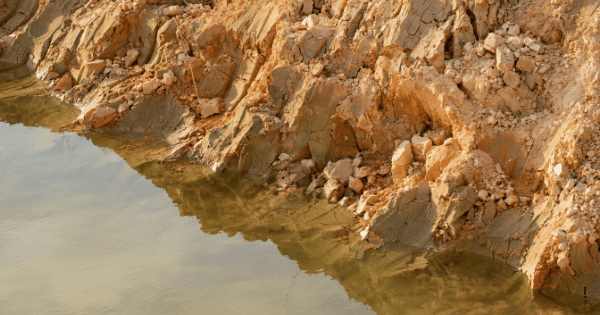
Introduction and Origin Of Natural Clay
Natural clay is a type of earthy material that is formed by the weathering and erosion of rocks over long periods of time.It is known for its fine texture and ability to hold water and nutrients, making it valuable for agriculture and horticulture.Natural Clay is also used in various beauty and skincare products due to its cleansing and exfoliating properties.Natural clay is found in many parts of the world in all topography as mentioned.
- Sedimentary Deposits: Clay is often found in sedimentary rocks such as shale and mudstone. These rocks are formed from the accumulation of clay and silt particles over millions of years.
- Volcanic Ash: Clay can also be formed from the weathering of volcanic ash. When volcanic ash comes into contact with water, it can break down into clay minerals such as kaolinite, montmorillonite, and illite.
- Riverbeds and Floodplains: Clay deposits can accumulate in riverbeds and floodplains, where they are carried by water and deposited during floods and other natural events.
- Glacial Deposits: Clay can also be found in glacial deposits, where it is transported and deposited by glaciers during periods of glaciation.
- Coastal Areas: In coastal areas, clay can be found in marine sediments and estuarine deposits, where it is mixed with sand and other sedimentary materials.
Types Of Natural Clay
Earthenware: Earthenware is a type of clay that is fired at relatively low temperatures, typically between 1,000 and 1,150°C (1,830 and 2,100°F). It is known for its rich, warm colors and porous nature. Earthenware is commonly used for making pottery, tiles, and terracotta items. It is not as strong or durable as stoneware or porcelain and is not typically used for items that need to hold liquids.
Stoneware: Stoneware is a type of clay that is fired at higher temperatures, typically between 1,200 and 1,315°C (2,192 and 2,399°F). It is known for its strength, durability, and non-porous nature. Stoneware is commonly used for making dinnerware, bakeware, and decorative items. It is more durable than earthenware and can hold liquids without leaking.
Porcelain: Porcelain is a type of clay that is fired at very high temperatures, typically between 1,200 and 1,400°C (2,192 and 2,552°F). It is known for its white color, translucency, and strength. Porcelain is commonly used for making fine china, figurines, and decorative items. It is the most expensive and difficult to work with of the three main types of clay.
Ball Clay: Ball clay is a type of clay that is known for its high plasticity and bonding properties. It is commonly used in ceramics to improve plasticity and workability of clay bodies. Ball clay is often mixed with other types of clay to improve their properties.
Uses Of Natural Clay
Natural clay has a wide range of uses across various industries and applications. Some common uses of natural clay include:
- Pottery and Ceramics: One of the oldest and most well-known uses of clay is for making pottery and ceramics. Different types of clay are used depending on the desired characteristics of the final product, such as earthenware, stoneware, and porcelain.
- Construction: Clay is used in construction for making bricks, tiles, and other building materials. It is often mixed with other materials such as sand and straw to improve its strength and durability.
- Agriculture: Clay is used in agriculture as a soil conditioner to improve soil structure and fertility. It can help to retain moisture and nutrients in the soil, making it more suitable for plant growth.
- Skincare: Clay is used in skincare products such as masks and scrubs due to its absorbent and exfoliating properties. It can help to remove impurities from the skin and improve its overall appearance.
- Industrial Applications: Clay is used in various industrial applications, such as in the production of catalysts, adsorbents, and ceramics for use in the automotive, aerospace, and electronics industries.
- Wastewater Treatment: Clay is used in wastewater treatment to remove contaminants and impurities from water. It can help to clarify water and reduce the levels of pollutants before it is discharged into the environment.
- Art and Sculpture: Clay is used by artists and sculptors as a medium for creating sculptures and other works of art. It is valued for its plasticity and ability to hold fine details.
How To Make At Home
To make clay at home, you can use a simple recipe that involves mixing flour, salt, and water. Here’s a basic method:
Ingredients:
- 2 cups all-purpose flour
- 1 cup salt
- 3/4 to 1 cup water
Steps:
- Mix Dry Ingredients: In a bowl, combine the flour and salt.
- Add Water: Gradually add water, starting with 3/4 cup, and mix well. Add more water as needed until the dough comes together and is smooth but not sticky.
- Knead the Dough: Knead the dough on a lightly floured surface for a few minutes until it is smooth and elastic.
- Shape and Use: Shape the clay as desired. You can use cookie cutters, molds, or sculpt it by hand.
- Dry the Clay: Let the clay air dry for several days until it is completely dry and hard. You can also bake it in the oven at a low temperature (around 200°F or 93°C) for a few hours to speed up the drying process.
- Paint and Seal (Optional): Once the clay is dry, you can paint it with acrylic paints and seal it with a clear varnish or sealant to protect the surface.
This homemade clay is great for simple crafts and projects. Keep in mind that it may not have the same qualities as store-bought modeling clay or pottery clay, but it’s a fun and inexpensive alternative for creative projects.
Is Natural Clay Safe?
Natural clay is generally safe for various uses, including skincare, pottery, and construction, but precautions should be taken to avoid potential risks. Skin sensitivity can occur, leading to irritation or allergic reactions, so it’s wise to perform a patch test before using clay-based products. While external use is safe, ingestion of large amounts of clay can be harmful due to potential impurities and heavy metals. When working with dry clay, there’s a risk of inhaling clay dust, which can irritate the lungs, so proper ventilation and protective gear are recommended. Additionally, ensure that the clay is sourced from reputable suppliers to minimize the risk of contaminants. Overall, natural clay is safe for most people when used responsibly, but it’s essential to be aware of these potential risks.