
Moses in the Cradle, scientifically known as Tradescantia spathacea, is a popular ornamental plant prized for its striking foliage and ease of care. The plant’s common name derives from the boat-shaped bracts that cradle the small white flowers, reminiscent of the biblical story of Moses. This plant is also known by other names such as Boat Lily, Oyster Plant, and Moses-in-a-Boat.
Color of Moses in the Cradle
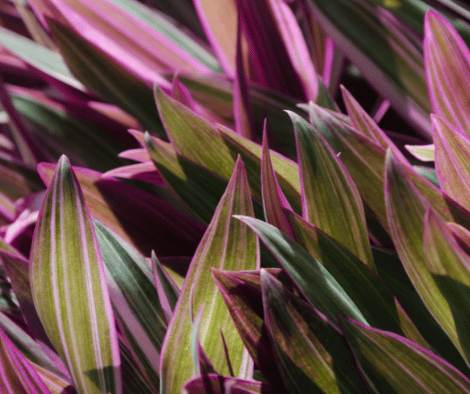
While the most common Moses in the Cradle plant features long, waxy leaves in a mix of purple, green, and white, there are also varieties with pink, green, and white foliage, as well as some with yellow and green shades. It’s worth noting that the leaves of this plant are more attractive than its white flowers, which is the main reason people love and choose to grow it.
Read also: Peace Lily Tips For Year-Round Flowers
When to Grow Moses in the Cradle
Moses in the Cradle can be grown year-round in warm climates. In regions with cooler temperatures, it is best grown indoors or as a houseplant. The plant thrives in temperatures between 60-85°F (15-29°C) and does not tolerate frost.
- Indoors: Ideal for homes and offices due to its adaptability to low light conditions.
- Outdoors: In frost-free climates, it can be used as ground cover or in garden beds.
- Containers: Perfect for patios, balconies, or indoor decoration.
Flowering Season
Moses in the Cradle typically flowers in the late winter to early spring. The small, white, three-petaled flowers emerge from the axils of the leaf bases, nestled within the boat-shaped bracts.
How to Propagate Moses in the Cradle
- Soil: Prefers well-draining, rich potting mix.
- Planting: Plant the cuttings or divisions in moist soil. Ensure the roots are covered and the plant is stable.
- Location: Place in a spot with indirect light; too much direct sunlight can scorch the leaves, while too little light can cause the plant to become leggy.
- Watering: Water moderately, allowing the soil to dry out between waterings. Overwatering can lead to root rot.
- Sunlight: Prefers bright, indirect light but can tolerate low light conditions.
- Fertilizer: Feed monthly with a balanced liquid fertilizer during the growing season (spring and summer).
- Pruning: Trim back leggy growth to maintain a compact shape. Remove any dead or yellowing leaves.
- Pest and Diseases: Watch for common pests like spider mites and aphids. Ensure good air circulation to prevent fungal infections.
Extracting Seeds from Moses in the Cradle
Seed extraction from Moses in the Cradle is not common, as the plant is usually propagated through division or cuttings. However, if you wish to collect seeds, wait until the flowers fade and the seed pods develop. Harvest the pods and let them dry before extracting the seeds for planting.
Reasons To Grow Moses in the Cradle
- Aesthetic Appeal: The striking purple and green foliage adds a touch of color to any space.
- Easy Care: Ideal for beginners and busy gardeners due to its low maintenance requirements.
- Air Purification: Like many houseplants, it can help improve indoor air quality.
- Versatility: Can be grown indoors or outdoors, making it a versatile choice for various environments.
FAQs Regarding Moses in the Cradle
- Does Moses-in-the-Cradle like sun or shade? Moses-in-the-Cradle thrives best with just the right amount of light—it’s like the Goldilocks of the plant world. It prefers bright, indirect light, which keeps its vibrant leaves healthy and happy.
- Is Moses-in-the-Cradle edible? No, Moses-in-the-Cradle is not considered edible. In fact, it can be toxic if ingested by humans or pets. It’s best to keep it out of reach of children and animals to avoid any potential health issues.
- Is Moses-in-the-Cradle air purifier? Yes,Tradescantia is known for being very easy to care for and is also one of those beautiful air-purifying plants.